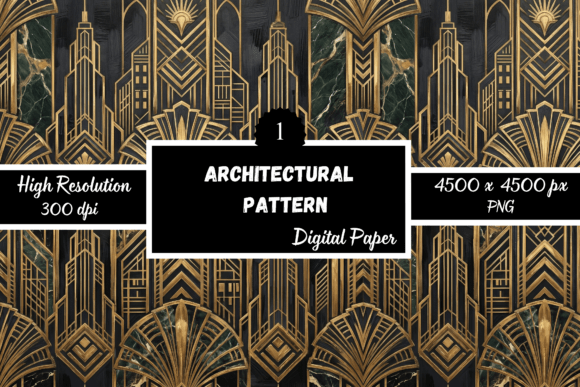
Architectural Pattern and the Timeless Elegance of Art Deco Inspired Designs
The intersection of architectural pattern and artistic expression reveals a world where structure meets style. Among the most captivating styles to emerge from this fusion is the Art Deco movement, which has left an indelible mark on design across various disciplines. These patterns, characterized by their geometric precision and refined gold accents, offer a unique blend of sophistication and modernity that continues to inspire creators and professionals alike.
Art Deco inspired patterns are more than just aesthetic choices; they are a reflection of historical innovation and cultural evolution. Originating in the 1920s and 1930s, this style was deeply influenced by the rapid advancements in technology, industrialization, and the growing influence of global cultures. The result was a visual language that celebrated symmetry, bold lines, and luxurious materials—elements that have since been reinterpreted in contemporary design contexts.
The Characteristics of Art Deco Inspired Patterns
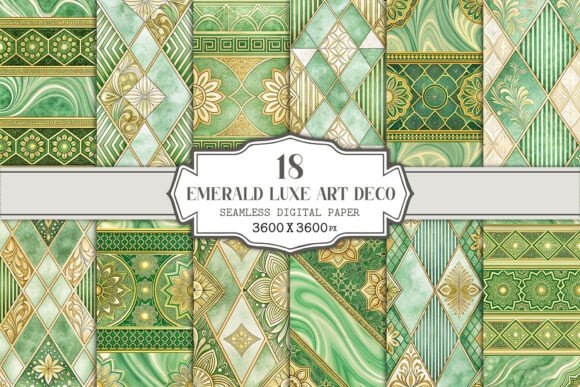
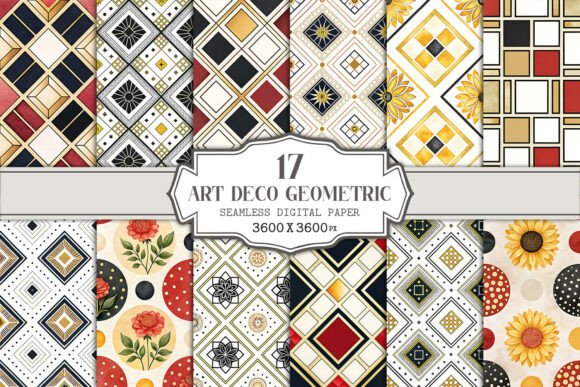
At the heart of these designs lies a strong emphasis on geometry. Unlike the flowing curves of earlier styles, Art Deco favors sharp angles, straight lines, and repetitive motifs that create a sense of order and balance. This structured approach is often enhanced by the use of metallic elements, particularly gold, which adds a touch of opulence and timelessness.
Symmetry plays a crucial role in the appeal of these patterns. Whether applied to textiles, architecture, or digital interfaces, the repetition of shapes and forms creates a harmonious visual rhythm. This can be seen in the facades of iconic skyscrapers, where the interplay of horizontal and vertical lines evokes a sense of grandeur and progress.
Another defining feature is the incorporation of stylized natural forms. While Art Deco is known for its modernist edge, it also draws inspiration from nature, often abstracting elements like sunbursts, chevrons, and zigzags into elegant, simplified forms. This blend of the organic and the mechanical reflects the era’s fascination with both technological advancement and artistic refinement.
Applications of Art Deco Inspired Patterns
The versatility of these patterns makes them suitable for a wide range of applications. In interior design, they can be used to add a touch of vintage chic to modern spaces, whether through wallpaper, flooring, or decorative accessories. The use of gold accents, in particular, can elevate a room’s ambiance, creating a sense of luxury without overwhelming the space.
In graphic design, Art Deco patterns serve as powerful visual tools for branding and storytelling. Their clean lines and bold shapes make them ideal for logos, posters, and packaging, especially in industries that aim to convey sophistication and innovation. For example, many high-end fashion brands incorporate these elements into their marketing materials to evoke a sense of timeless elegance.
Architectural pattern enthusiasts may also find value in applying these designs to urban planning and public spaces. By integrating Art Deco elements into buildings, signage, or public art installations, cities can preserve their historical character while embracing modern aesthetics. This approach not only enhances visual appeal but also fosters a deeper connection between residents and their environment.
Advantages of Incorporating Art Deco Inspired Patterns
One of the primary advantages of using Art Deco inspired patterns is their ability to create a strong visual identity. Whether in design, architecture, or digital media, these patterns provide a cohesive and recognizable style that can set a project apart from others. This is particularly beneficial for businesses seeking to establish a distinct brand presence.
Additionally, the structured nature of these patterns makes them highly adaptable. They can be scaled, modified, or combined with other design elements to suit different needs and contexts. This flexibility allows designers to experiment with new ideas while maintaining a sense of coherence and professionalism.
From a practical standpoint, the use of geometric forms and symmetrical layouts can enhance usability and functionality. In user interface design, for instance, well-structured patterns can improve navigation and readability, making the overall experience more intuitive for users.
Considerations When Using Art Deco Inspired Patterns
While the appeal of Art Deco inspired patterns is undeniable, it is important to consider their appropriate application. Overuse or improper integration can lead to visual clutter or a lack of focus. Designers should carefully evaluate how these elements align with the overall goals and message of their work.
Another consideration is the cultural and historical context of the style. Although Art Deco is widely appreciated, it is rooted in a specific period and may carry connotations that are not always relevant to modern audiences. Understanding this background can help ensure that the design remains respectful and meaningful.
Finally, the choice of materials and colors plays a significant role in the success of these patterns. While gold accents are a classic choice, alternative metals or finishes may be more suitable depending on the intended effect. Similarly, the use of complementary colors can enhance the visual impact of the design without overshadowing its structural integrity.
Real-World Examples of Art Deco Inspired Patterns
Several notable examples demonstrate the enduring influence of Art Deco in contemporary design. The Chrysler Building in New York City, for instance, features a distinctive spire adorned with geometric motifs and chrome details, embodying the spirit of the era. Its design continues to inspire architects and designers around the world.
In the realm of fashion, designers such as Coco Chanel and Jeanne Lanvin incorporated Art Deco elements into their collections, blending traditional craftsmanship with modern aesthetics. Today, many fashion houses revisit these themes to create collections that bridge the past and present.
Even in digital spaces, the legacy of Art Deco lives on. Web designers and app developers often draw from its visual language to create interfaces that feel both innovative and timeless. This cross-disciplinary influence highlights the adaptability and relevance of these patterns in an ever-evolving design landscape.
As the Architectural Pattern continues to evolve, the influence of Art Deco remains a testament to the power of design to transcend time and culture. Whether in architecture, graphic design, or everyday objects, these patterns offer a unique way to express creativity, sophistication, and a deep appreciation for history.